10 Things to Check That Aren't in Listings (Buying a House?)
Updated on September 23rd, 2026
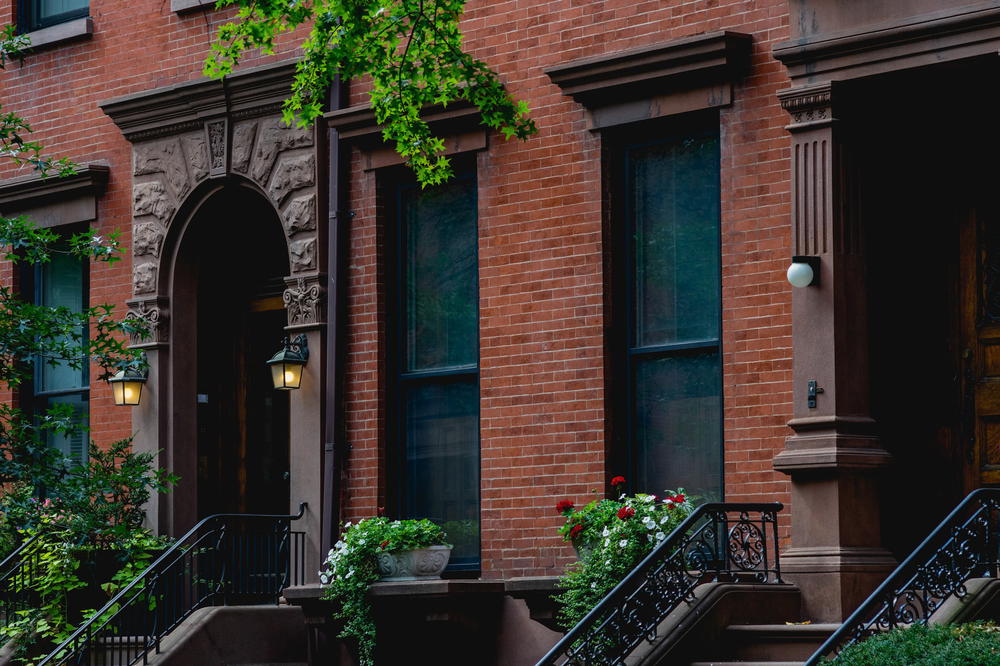
A checklist of 10 crucial things to check when buying a home that you won't find in the real estate listing.
Some links in this article may earn us a commission if you buy through them. As an Amazon Associate I earn from qualifying purchases. Read our privacy policy and learn more about us.
Table of contents
- 1. Noise at different times of day
- 2. Neighbor proximity and sightlines
- 3. Street parking realities
- 4. Trash and recycling logistics
- 5. Mail and package access
- 6. Yard & lawn usability
- 7. Exterior lighting coverage
- 8. Cell signal inside
- 9. Internet provider availability
- 10. Wildlife or pest activity signs
- 11. Water quality and municipal water reports
- 12. Indoor ventilation and air quality
When you’re looking at a home listing, you see the square footage, the number of bedrooms and the beautifully staged (and probably photoshopped) photos. But there are so many aspects of a home that you can’t see on a screen.
Here are 10 things you should check in person that typically don’t appear in the listings.
1. Noise at different times of day
Visit the property at various times of the day if you can. Visit in the morning, afternoon and evening. Listen for traffic noise, nearby schools, or loud neighbors that might not be apparent during a mid-day open house or an open house on the weekends.
Let’s say that you visit an open house on a Sunday. You’ll have plenty of time to stop by again on Monday or Tuesday to get a sense of the neighborhood at different times of the day.
We happen to live near a school and there’s traffic only during a small window of time. We did think about this before buying our house, but I can see how this might be a surprise to some!
2. Neighbor proximity and sightlines
When you’re at the open house, spend time in the front and backyard and take note of your neighbors. Are their properties well maintained? Is there a fence that belongs to a neighbor that is falling apart? Are they hoarding trash?
You’ll likely be spending time in your backyard and don’t want to always be looking at a neighbor that has a house that is falling apart!
Listing photos are for the listing, not the neighbor’s properties, so those types of things might not come across in photos.
3. Street parking realities
If you have guests or multiple cars, check the street parking situation. Is it permit-only? Is it packed after 5pm? Drive by at night to see the real situation.
I would also think about the across the street neighbor: is their driveway directly in front of where you or guests might want to park? I mention that because if you have a tight street, and a neighbor is backing out of their house, it’s a possibility that they might hit your car.
4. Trash and recycling logistics
There are lots of different types of situations for trash in every community. Touring an open house, trash is probably the last thing that I’d think about.
But it kind of matters. I ended up storing the bins in my driveway. I don’t currently park in the garage, but if I did, the bin placement would block my entrance.
There’s really no where else to put them. I also didn’t want to keep them in the garage because that might attract pests.
When you go to the open house, scope out where you might want to keep your trash and recycling bins!
5. Mail and package access
Having moved from an apartment where package theft was frequent, some level of privacy and safety was a real concern. Having some type of enclosed porch wasn’t really an option when we were looking for new houses. However, I installed a doorbell camera within the first month or two and that has been a game changer!
For you, take into consideration package and mail delivery.
Is your mailbox far away from your door? If so, it might be annoying because you’d have to go out in the rain to get your mail.
Do you have a narrow set or steps or stairs to get into your house? I kind of do, and it makes bringing larger packages and boxes kind of challenging. I wish I had more of a porch or landing area.
6. Yard & lawn usability
There is a lot to talk about with a yard and lawn, but you want to look for a few key points.
First, how is the condition of the lawn? I bought towards the end of winter, and couldn’t really gauge the condition of the lawn. It was actually in horrible condition, and I’ve been working hard to restore it (see my complete experience and steps in my guide to how to get a better lawn).
Next, look for any sloping towards the foundation. The listing absolutely won’t show this and if water collects or pools towards the foundation, it can cause a lot of issues.
You also want to look for any lumpy, low or high spots. It’ll make maintenance a lot harder to deal with. We had some old tree stumps and random big dips that I eventually took care of. It was a challenge to mow around those areas before.
And lastly, if you can, time any visits or even do a drive-by when it rains. Look for any soggy spots or area of the lawn that have pooling water. That’s an indication of compacted soil or other issues. Depending on where this water is collecting, it could lead to issues.
We had water pooling near a tree that eventually needed to come down. Our soil is very compacted and water does collect in the backyard during heavy rains. Aerating is on my list of things to do!
7. Exterior lighting coverage
Visit at night to see how well-lit the street and the property are. Our house only had 1 porch light and it was in rough shape. We added 2 lights and coming home is much more pleasant.
We also added exterior lights floodlights as well as lights on the back of the house.
Without those additions, we basically couldn’t sit on the deck at night. And walking around the property at night felt eerie.
As for the street, you want your street well-lit to an extent. You want to be able to see when you’re driving home at night. But you don’t want it to be super bright and have the lights come in through your windows.
As a bonus tip: look at the positions of the streetlights in the sightlines to bedrooms. We actually have a streetlight visible from our bedroom but it’s not a big deal because a wall blocks the view from the bed.
8. Cell signal inside
Pull out your phone and check your signal bars in every room. Some houses have dead zones that can be frustrating if you rely on your cell phone.
Our old apartment has terrible service for some reason. I don’t know why.
It would be so annoying to not be able to talk on the phone in certain rooms! It could be that your specific carrier has a dead zone in the neighborhood. Or it could be that the house has some type of construction that blocks cell signal.
Either way, it’s kind of a red flag because it could also mean that WiFi might have dead zones, but harder to test during an open house (the host probably won’t let you connect to WiFi).
9. Internet provider availability
Don’t assume high-speed internet is available everywhere. Check with local providers to see what speeds and plans are actually available at that specific address.
We were spoiled in one of our apartments to have Verizon FIOS and it was so fast and so reliable. When we moved to the apartment we were at before buying a house, we were trapped into another provider that was bad. It had reliability issues, wouldn’t connect to certain websites sometimes(???) and was expensive for slow speeds.
Before buying our house, I made sure that Verizon was available here because I had such good luck with them in the past.
10. Wildlife or pest activity signs
Look for signs of pests like droppings or insect activity around the foundation and in the attic if possible. Try and peek around corners and especially spend time looking for things in the basement!
Ask about local wildlife issues like deer or raccoons.
We have deer and they eat everything that I try to plant. Deer are bad in our area, so it’s hard to avoid. We also have a pretty bad chipmunk problem. I spent the first year trying to seal off holes that chipmunks made because I’m convinced that they are living under our driveway.
11. Water quality and municipal water reports
Ask about the local water supply and check your town’s annual drinking water quality reports. After moving, we found measurable PFAS in our municipal supply, which prompted us to install an under-sink reverse osmosis system—see our full Aqua Chill review and reverse osmosis installation experience for what that entailed.
12. Indoor ventilation and air quality
Check the HVAC filter setup, kitchen exhaust venting (does it vent outside or just recirculate?), and overall indoor airflow. If you need supplementary filtration for seasonal allergens or smoke, see our FlexiSpot air purifier review comparing two high-capacity models for living rooms and home offices.